

The major states producing tomatoes (crop) in Nigeria are primarily located in the northern part of the country, where climatic conditions (dry season irrigation and suitable soils) favor large-scale cultivation.
Nigeria is one of the largest tomato producers in Africa (often ranked second after Egypt), with production concentrated in the north. Key tomato-producing states include:
Kaduna — Frequently cited as one of the top producers, with some recent reports (e.g., from FAO partnerships in 2025) recognizing it as Nigeria’s leading tomato-producing state, with annual output around 2.3 million tonnes in certain estimates.
Kano — Traditionally one of the largest producers, often mentioned as a historic leader with significant commercial-scale farming.
Katsina — A major contributor, especially in northern dryland farming.
Jigawa — Consistently listed among the top producers.
Sokoto, Zamfara, Bauchi, Gombe, Taraba, and Plateau — These states also produce substantial quantities.
Other states like Benue and Kebbi contribute as well, though to a lesser extent. Southern states have smaller-scale or emerging production, but the bulk comes from the north.
Tomato production in Nigeria faces challenges like post-harvest losses (up to 40-50%), pests, and seasonal gluts, despite high output.
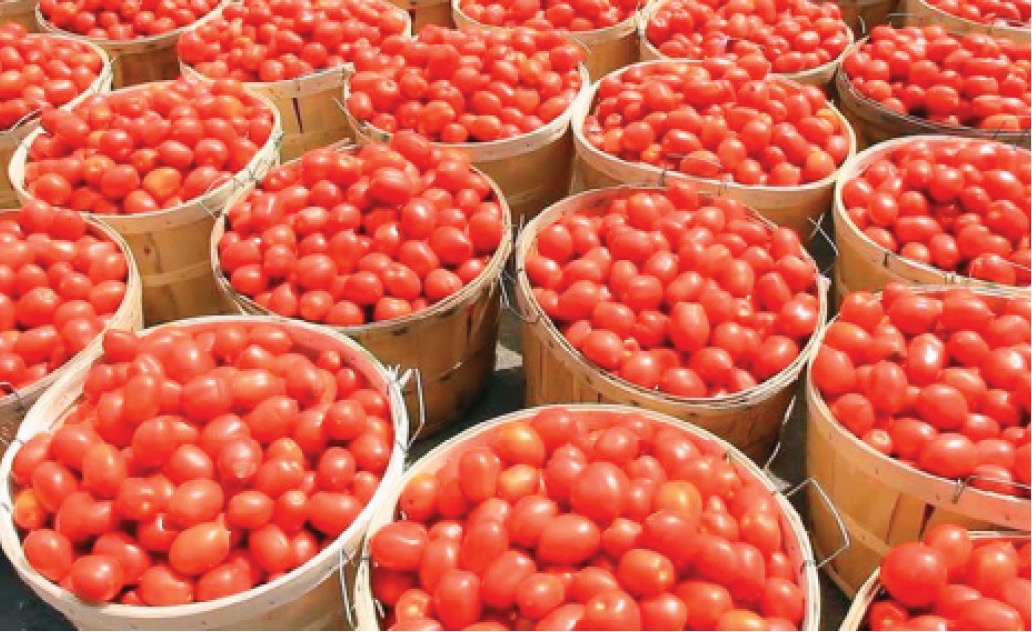
For visuals of tomato farming in these regions:
The major states producing tomatoes (crop) in Nigeria are primarily located in the northern part of the country,

Add A Comment